Opis produktu
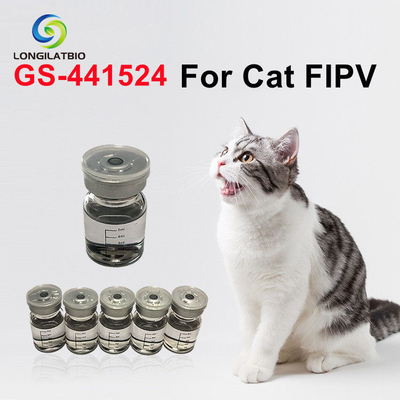
| Nazwa produktu |
GS-441524 |
| Data ważności |
1 rok od daty produkcji |
| Warunki przechowywania |
Temperatura pokojowa |
| Numer CAS |
1191237-69-0 |
| Główna funkcja |
Leczenie FIP u kotów |
| Postać dawkowania |
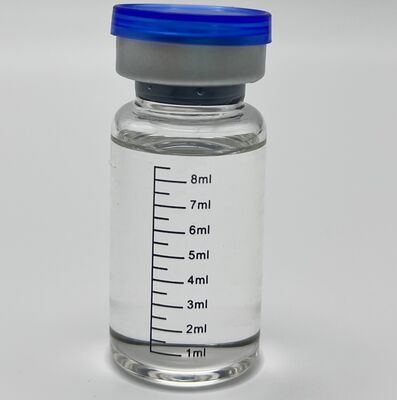
Iniekcja |
| Kraj produkcji |
Chiny |
| Specyfikacja opakowania |
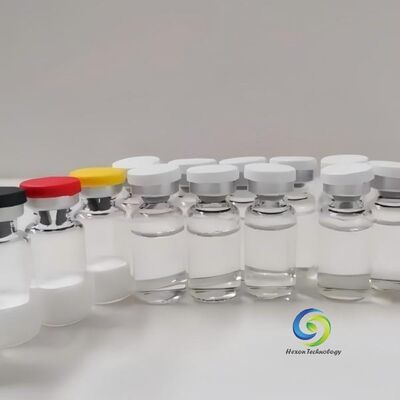
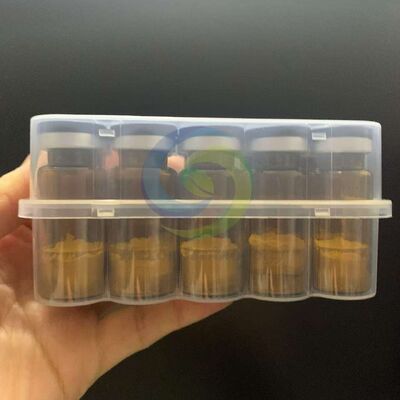
6ml/fiolka, 8ml/fiolka, 10ml/fiolka |
| Moc aktywna |
20mg, 30mg |
GS-441524 to związek analogu nukleozydów o ukierunkowanym działaniu przeciwwirusowym przeciwko kocurowi koronawirusowi (FCoV), patogenowi powodującemu zakaźne zapalenie otrzewnej kotów (FIP) u kotów domowych. Jego działanie przeciwwirusowe jest skierowane specyficznie na polimerazę RNA-zależną RNA FCoV, kluczowy enzym dla replikacji i proliferacji wirusa w komórkach gospodarza kota. Jako analog strukturalny naturalnych nukleozydów, GS-441524 jest konkurencyjnie włączany do procesu syntezy RNA wirusa przez polimerazę wirusową. W przeciwieństwie do naturalnych nukleozydów, które umożliwiają przedłużanie łańcucha RNA, GS-441524 pozbawiony jest grup funkcyjnych niezbędnych do dalszego wzrostu łańcucha, działając jako silny terminator łańcucha RNA, który skutecznie zatrzymuje replikację FCoV. Ta inhibicja zmniejsza obciążenie wirusowe w organizmie kota, zapobiega rozprzestrzenianiu się wirusa do zdrowych komórek i łagodzi ciężką odpowiedź zapalną związaną z FIP.
Jako główny aktywny metabolit substancji przeciwwirusowej remdesivir, GS-441524 wykazuje stabilne właściwości farmakokinetyczne u gatunków ssaków, z okresem półtrwania wynoszącym 24 godziny. Ten wydłużony okres półtrwania zapewnia, że substancja utrzymuje skuteczne stężenie we krwi i tkankach kota przez dłuższy czas, zapewniając trwałą inhibicję przeciwwirusową i zmniejszając potrzebę częstego dawkowania. W leczeniu FIP, GS-441524 działa bezpośrednio na komórki zakażone FCoV, hamując replikację wirusa i pozwalając układowi odpornościowemu kota na odzyskanie równowagi po wywołanej przez wirusa dysregulacji odporności. Przywracając zdolność układu odpornościowego do zwalczania wirusa, GS-441524 ułatwia eliminację FCoV z organizmu i ustąpienie objawów klinicznych związanych z FIP.
O zakaźnym zapaleniu otrzewnej kotów (FIP)
Zakaźne zapalenie otrzewnej kotów (FIP) to ciężka, układowa i potencjalnie śmiertelna choroba wirusowa występująca wyłącznie u kotów domowych, spowodowana mutacją zjadliwych szczepów koronawirusa kotów (FCoV). FCoV to wysoce zakaźny wirus, który jest powszechny w populacjach kotów na całym świecie, a transmisja odbywa się głównie drogą fekalno-oralną. Zakażone koty wydalają wirusa w kale, a podatne koty zarażają się poprzez spożycie skażonych materiałów lub kontakt ze skażonymi powierzchniami, żywnością, wodą lub ściółką. Wirus może przetrwać na powierzchniach środowiskowych przez dłuższy czas, zwiększając ryzyko transmisji w środowiskach z wieloma kotami, takich jak hodowle, schroniska dla zwierząt i domy z wieloma kotami.
FIP rozwija się tylko u kotów z osłabionym układem odpornościowym, który nie jest w stanie kontrolować replikacji FCoV. Większość przypadków FIP występuje u kociąt w wieku od 6 do 16 tygodni, ze względu na ich niedojrzałe układy odpornościowe i wysokie wskaźniki narażenia w środowiskach hodowlanych. Inne czynniki ryzyka obejmują przewlekły stres, niedożywienie, współistniejące infekcje (takie jak FIV lub FeLV) oraz wszelkie stany, które osłabiają układ odpornościowy. U tych kotów z obniżoną odpornością FCoV przechodzi mutacje genetyczne, które pozwalają mu na ucieczkę od odporności błony śluzowej jelit, inwazję układu fagocytów jednojądrowych i rozprzestrzenianie się układowe przez krwiobieg. To układowe rozprzestrzenianie się wywołuje dysregulowaną odpowiedź immunologiczną, która prowadzi do charakterystycznych zmian patologicznych i objawów klinicznych FIP.
Klinicznie FIP klasyfikuje się na dwie główne postacie: wysiękową (mokrą) i niewysiękową (suchą), przy czym niektóre koty prezentują postać mieszaną. FIP wysiękowa jest najczęstszą postacią, stanowiącą około 60-70% przypadków, i charakteryzuje się gromadzeniem się gęstego, żółtawego wysięku w jamie brzusznej, jamie klatki piersiowej lub obu. Objawy kliniczne mokrej FIP obejmują postępujące wzdęcie brzucha, duszność, uporczywą gorączkę niereagującą na leczenie antybiotykami, letarg, utratę apetytu i szybką utratę wagi. FIP niewysiękowa jest rzadsza i charakteryzuje się tworzeniem zmian ziarniniakowych w jednym lub więcej narządach, w tym w wątrobie, nerkach, śledzionie, płucach, węzłach chłonnych i ośrodkowym układzie nerwowym. Objawy kliniczne suchej FIP są zmienne i zależą od dotkniętych narządów, ale zazwyczaj obejmują gorączkę, utratę wagi, letarg, żółtaczkę i dysfunkcję narządów, taką jak niewydolność nerek, niewydolność oddechowa lub objawy neurologiczne (ataksja, drgawki, utrata wzroku).
Diagnozowanie FIP jest trudne ze względu na niespecyficzny charakter objawów klinicznych i brak definitywnego, szybkiego testu diagnostycznego. Wstępna diagnoza jest stawiana poprzez połączenie historii epidemiologicznej kota, wyników badania klinicznego, wyników badań laboratoryjnych i badań obrazowych. Kluczowe nieprawidłowości laboratoryjne, które potwierdzają diagnozę FIP, obejmują podwyższony poziom całkowitych globulin, niski stosunek albumin do globulin, limfopenię i podwyższone poziomy enzymów wątrobowych. W przypadkach wysiękowych analiza płynu z jamy brzusznej lub klatki piersiowej jest kluczowym etapem diagnostycznym, przy czym płyn zazwyczaj wykazuje wysoką zawartość białka, niską liczbę komórek jądrzastych i obecność kwasu nukleinowego FCoV. Badanie histopatologiczne próbek tkankowych wykazujące charakterystyczne ziarniniaki i FCoV jest złotym standardem dla ostatecznej diagnozy. Obecnie nie ma uniwersalnie skutecznej szczepionki przeciwko FIP, a strategie zapobiegania koncentrują się na zmniejszeniu narażenia na FCoV, minimalizacji stresu i wspieraniu zdrowia immunologicznego kotów poprzez optymalne żywienie, regularną opiekę weterynaryjną i odpowiednią higienę.
Zastosowanie i dawkowanie GS-441524
GS-441524 to przeciwwirusowy roztwór do wstrzykiwań stosowany poza wskazaniami w medycynie weterynaryjnej do leczenia zakaźnego zapalenia otrzewnej kotów, z udowodnioną skutecznością zarówno w postaci wysiękowej, jak i niewysiękowej choroby, w tym w przypadkach z zajęciem oczu i układu nerwowego. Substancja jest produkowana w Chinach i jest dostępna w trzech rozmiarach opakowań (fiolki 6ml, 8ml, 10ml) z dwoma mocami aktywnymi (20mg, 30mg), co zapewnia weterynarzom elastyczność w wyborze odpowiedniej formulacji dla każdego kota w zależności od masy ciała, potrzeb leczniczych i ciężkości choroby.
Dawkowanie GS-441524 jest ustalane na podstawie masy ciała kota i postaci klinicznej FIP, z wyższymi dawkami wskazanymi dla kotów z suchą FIP, zajęciem oczu/układu nerwowego lub nawracającą chorobą. Substancja podawana jest w postaci wstrzyknięć podskórnych lub dotchawiczych, a przebieg leczenia jest indywidualizowany w zależności od odpowiedzi klinicznej kota. Leczenie jest zazwyczaj kontynuowane do momentu ustąpienia wszystkich objawów klinicznych, niewykrywalności obciążenia wirusowego w badaniach molekularnych i powrotu wartości laboratoryjnych do normy. Monitorowanie weterynaryjne przez cały okres leczenia jest niezbędne do oceny odpowiedzi kota na terapię, dostosowania dawki w razie potrzeby i monitorowania ewentualnych działań niepożądanych.
Zalecany schemat dawkowania:
- FIP (postać mokra): 0,3 ml/kg masy ciała + 0,1 ml pozostałości, podanie w formie iniekcji
- FIP (postać sucha): 0,4 ml/kg masy ciała + 0,1 ml pozostałości, podanie w formie iniekcji
- FIP z zajęciem oczu/układu nerwowego: 0,5 ml/kg masy ciała + 0,1 ml pozostałości, podanie w formie iniekcji
- Nawracające przypadki FIP: 0,6 ml/kg masy ciała + 0,1 ml pozostałości, podanie w formie iniekcji


 Twoja wiadomość musi mieć od 20 do 3000 znaków!